Sunnah of Making Dua for Others in Their Absence
Sunnah of Making Dua for Others in Their Absence
The Prophet ﷺ said:
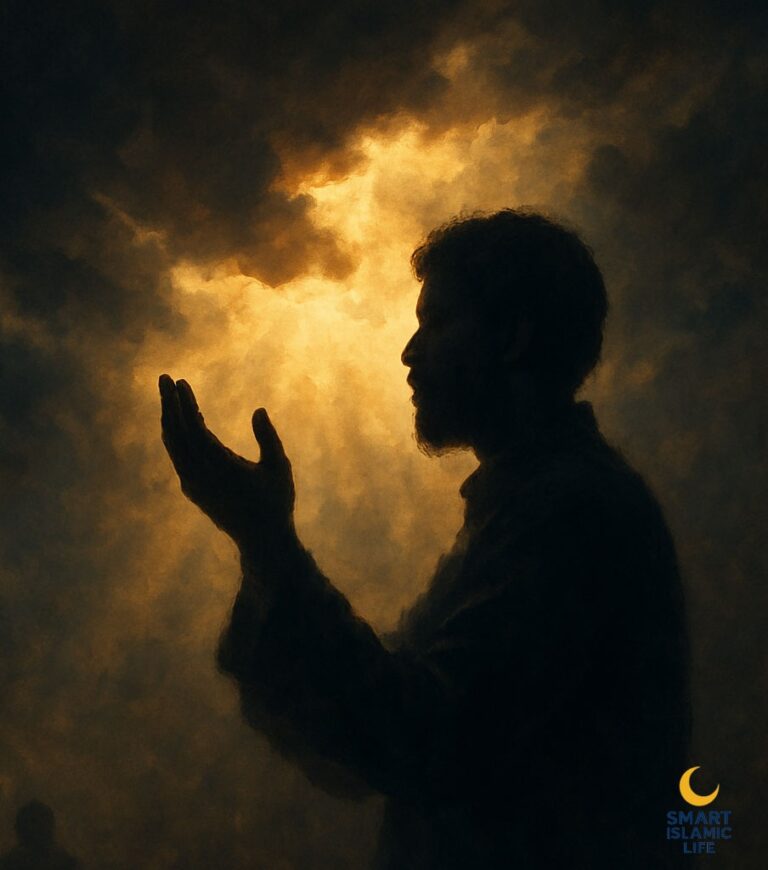
“The supplication of a Muslim for his brother in his absence will certainly be answered. Every time he makes a supplication for good for his brother, the angel appointed for this particular task says: Ameen! May it be for you too.“
(Sahih Muslim, 2732)
Why the Angel’s Response Matters
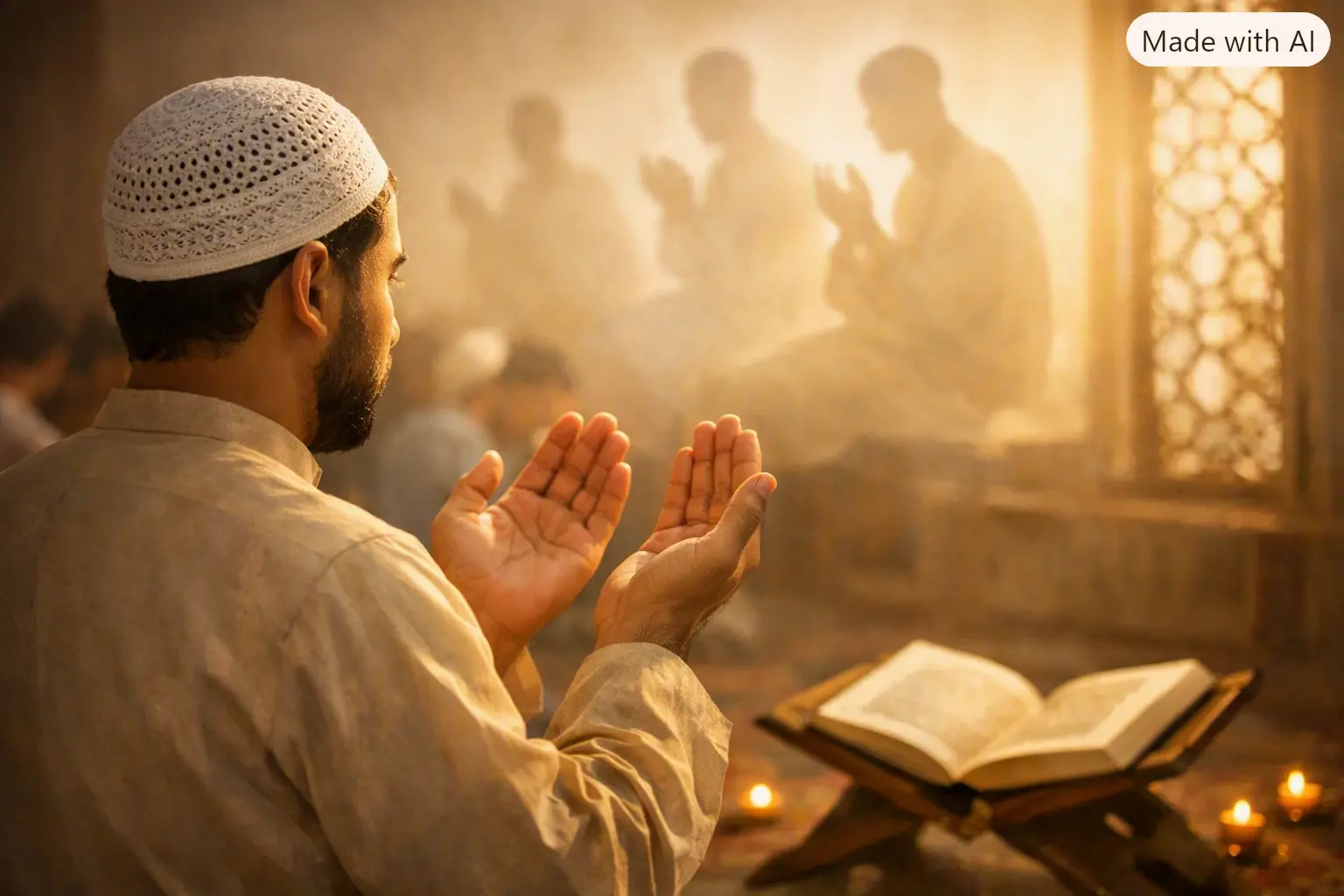
The most striking detail in this hadith isn’t the promise that the dua is answered — it’s the mechanism described alongside it. An angel is specifically assigned to respond “Ameen, may it be for you too” every single time someone prays sincerely for another person in their absence. That means the reward isn’t a vague, eventual byproduct of generosity — it’s an immediate, parallel dua being made on your behalf, matched to whatever good you just asked for someone else. Ask for a friend’s health, and the same is asked for you. Ask for their ease, forgiveness, or guidance, and it’s mirrored back. The mechanics of the reward are built directly into the act itself.
Reflection
This hadith highlights the beauty of sincere love and selflessness in Islam. Making du’a for others — especially when they don’t know — is not only a noble act, but it invites blessings back to us. It strengthens bonds, purifies hearts, and builds a community rooted in compassion and barakah, all without requiring the other person to ever find out it happened.
Praying for Someone Who Hurt You
Today, take a moment to pray for someone in private — a friend, a parent, even someone who may have hurt you. This last case is worth sitting with specifically: making sincere dua for someone who wronged you is a genuinely difficult act, not a small gesture, and it’s precisely the kind of situation where this hadith’s promise is most meaningful. Your du’a may be the light they need — and per the hadith, it becomes something returned to you as well, regardless of whether the relationship itself is ever repaired.
Daily Sunnah Tip
Practice the Sunnah of making du’a for others without their knowledge. This includes praying for their health, guidance, ease, or forgiveness. If you’re looking for a natural moment to build this into your day, the time right after each prayer is ideal — we cover that window in more depth in The Power of Du’a After Salah, and it’s an easy few seconds to redirect toward someone else before moving on with your day.