Step-by-step Guide to Calculating Zakat
Zakat is one of the five pillars of Islam — an obligation, not a donation. Every Muslim who meets the threshold of wealth (nisab) and holds it for a full lunar year is required to give 2.5% of it to those in need. Working out that number correctly, though, trips people up more than you’d expect: what counts, what doesn’t, and which value to use for gold and cash.
This guide walks through it step by step. If you’d rather skip straight to the numbers, our Zakat Calculator does the math for you — but understanding how it works first will help you trust the result and know what to include.
What Is Zakat, Exactly?
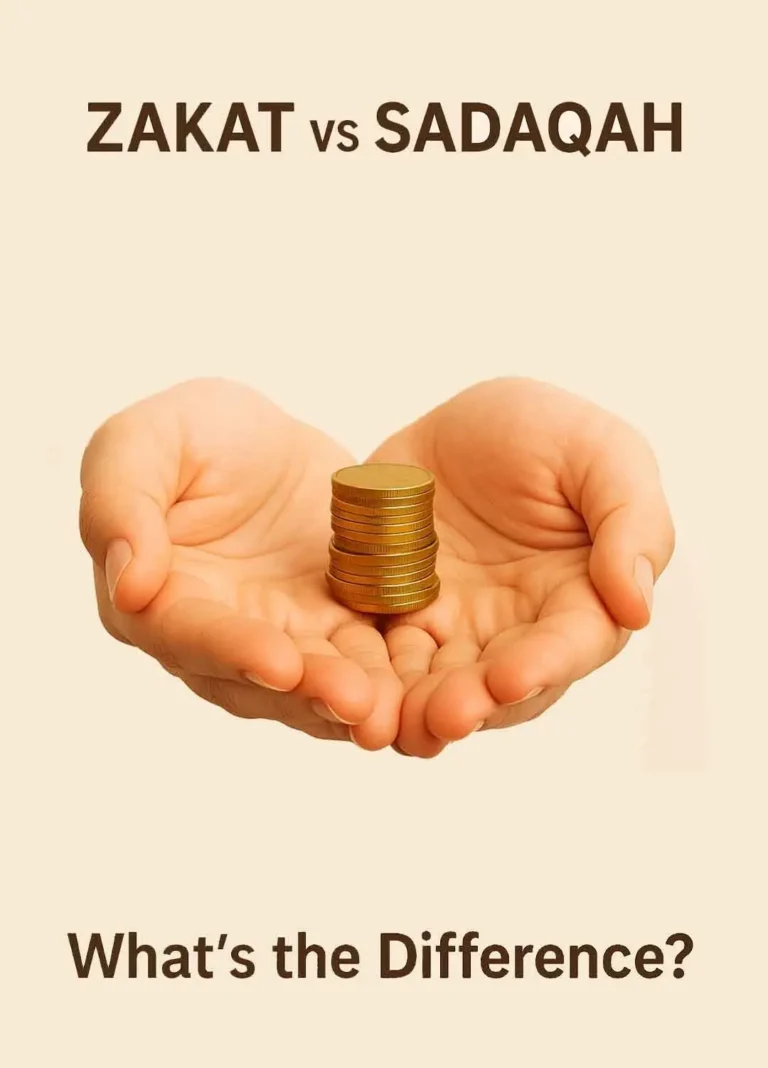
Zakat literally means “that which purifies.” It’s a mandatory act of worship, calculated as 2.5% of a Muslim’s zakatable wealth, given once every lunar year to specific categories of people in need. It isn’t the same as sadaqah (voluntary charity) — zakat has fixed rules for who must pay, how much, on what, and to whom.
Step 1: Check If You Meet the Nisab
Nisab is the minimum amount of wealth you must own before zakat becomes obligatory. It’s based on the value of either:
- Gold: 87.48 grams (about 3 ounces)
- Silver: 612.36 grams (about 21 ounces)
Most scholars recommend using the silver standard, since it’s lower and results in more people qualifying to pay zakat — meaning more support reaches those in need. Because gold and silver prices move daily, look up the current market price per gram and multiply it by these weights to get today’s nisab value in your currency.
If your total zakatable wealth is at or above that value, zakat is due. If it’s below, you’re not obligated to pay this year.
Step 2: Confirm You’ve Held the Wealth for a Full Lunar Year (Hawl)
Zakat is only due on wealth you’ve held for one full Islamic (lunar) year above the nisab threshold — this period is called the hawl. Most people track this from the same Islamic date each year, often choosing Ramadan since it’s easy to remember. It doesn’t need to be the exact same amount the whole year, only that your wealth stayed at or above nisab throughout.
Step 3: Add Up Your Zakatable Assets
This is the step most people get wrong — either by including things that don’t count, or missing things that do. Here’s what typically counts toward your zakat calculation:
Cash & Bank Balances
All cash on hand, in checking and savings accounts, and money held in digital wallets.
Gold & Silver
Jewelry, coins, and bars — most scholars hold that gold and silver are zakatable regardless of whether it’s worn daily or stored away (though this is a point of some scholarly difference; check with a local scholar if you’re unsure about jewelry in regular use).
Investments & Stocks
The current market value of stocks, mutual funds, and similar investments — for actively traded shares, generally the full market value; for shares held long-term in a business, often just the zakatable portion of the underlying company’s assets. This is a more nuanced area, so consult a knowledgeable source for large portfolios.
Business Inventory & Receivables
If you own a business, the value of goods held for sale (at their selling price, not cost price) plus money owed to you that you expect to collect.
Money Owed to You
Loans or debts you’re confident will be repaid.
Step 4: Subtract What You Owe
Immediate, short-term debts — bills due, money you owe others, and obligations payable within the year — can generally be deducted from your total before calculating zakat. Long-term debts like a mortgage are typically only deducted for the portion due within the current year, not the full remaining balance, though scholars vary on this point.
Step 5: Exclude What Doesn’t Count
Zakat is due on wealth, not on everything you own. The following are generally not zakatable:
- Your primary home
- Personal vehicles used for transportation, not resale
- Household furniture and personal belongings
- Tools or equipment used to earn a living (not held for sale)
Step 6: Calculate 2.5%
Once you have your net zakatable wealth (assets minus deductible short-term debts), multiply it by 2.5% (0.025).
Worked Example
| Item | Amount |
|---|---|
| Cash & bank balances | $8,000 |
| Gold jewelry (market value) | $3,500 |
| Investments | $4,000 |
| Total assets | $15,500 |
| Less: short-term debts owed | –$1,000 |
| Net zakatable wealth | $14,500 |
| Zakat due (2.5%) | $362.50 |
This example clears the nisab threshold comfortably, so the full 2.5% applies to the net total.
Step 7: Know Where It Goes
The Qur’an specifies eight categories of recipients for zakat: the poor, the needy, zakat administrators, those whose hearts are to be reconciled, those in bondage seeking freedom, people in debt, those striving in the cause of Allah, and travelers in need. In practice, most people give through a trusted local mosque or a reputable Islamic charity that verifies recipients fall within these categories.
Frequently Asked Questions
Do I pay zakat on my salary?
Not directly. Zakat is calculated on wealth you retain above nisab at your zakat due date, not on income as it’s earned. If your salary sits in savings and pushes you above nisab for a full year, that saved portion becomes zakatable.
What if my wealth dropped below nisab during the year?
Scholarly opinion varies here. Many hold that as long as you started and ended the lunar year at or above nisab, temporary dips don’t break the hawl. If you’re unsure, it’s worth asking a local scholar about your specific situation.
Can I pay zakat in installments?
Yes — many people split their zakat into monthly payments rather than one lump sum, as long as the full amount is paid by your zakat due date.
Is zakat the same as sadaqah?
No. Zakat is obligatory, calculated, and restricted to the eight categories above. Sadaqah is voluntary charity with no fixed amount or restricted recipients.
Once you’ve worked through these steps, you can plug your numbers into our Zakat Calculator for an instant, accurate total — it applies the current nisab threshold and does the 2.5% math for you.