The Power of Dua After Salah: Stay Connected to Allah
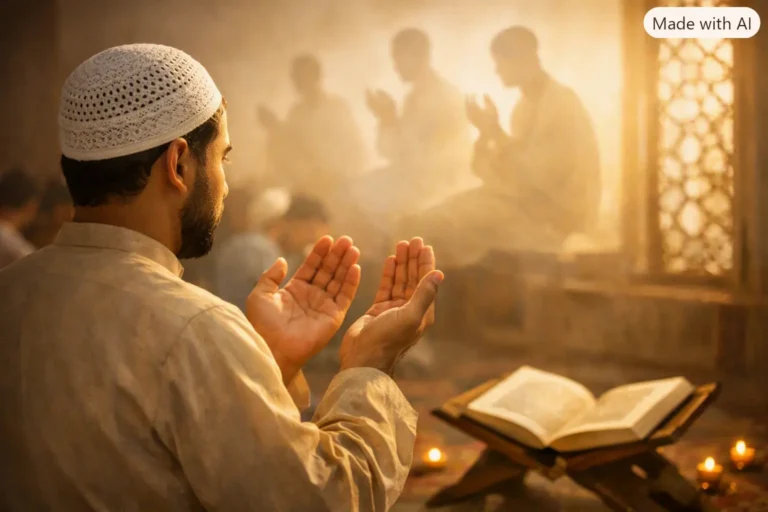
Salah (prayer) is not only the pillar of our daily worship but also a gateway to intimate connection with Allah ﷻ. Yet many rush to rise the moment they say their final taslim, missing out on a precious moment: the time right after prayer — a window of divine nearness and acceptance.
Why Du’a After Salah Matters
1. A Moment of Presence
Right after completing salah, the heart is still soft, the soul humbled, and the mind more present than it likely will be again until the next prayer. This is a sacred moment where the believer stands spiritually cleansed and connected. It’s an ideal time to turn to Allah with our hopes, fears, and gratitude — before the distractions of the day pull attention back elsewhere.
2. A Sunnah of the Prophet ﷺ
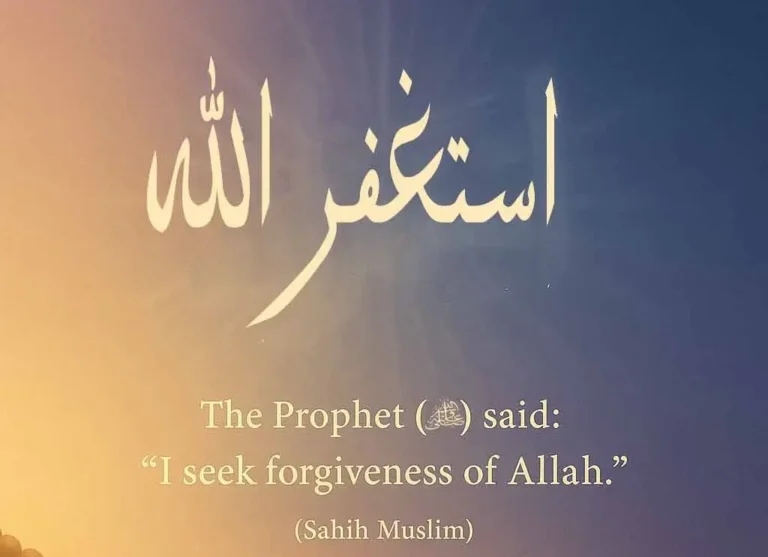
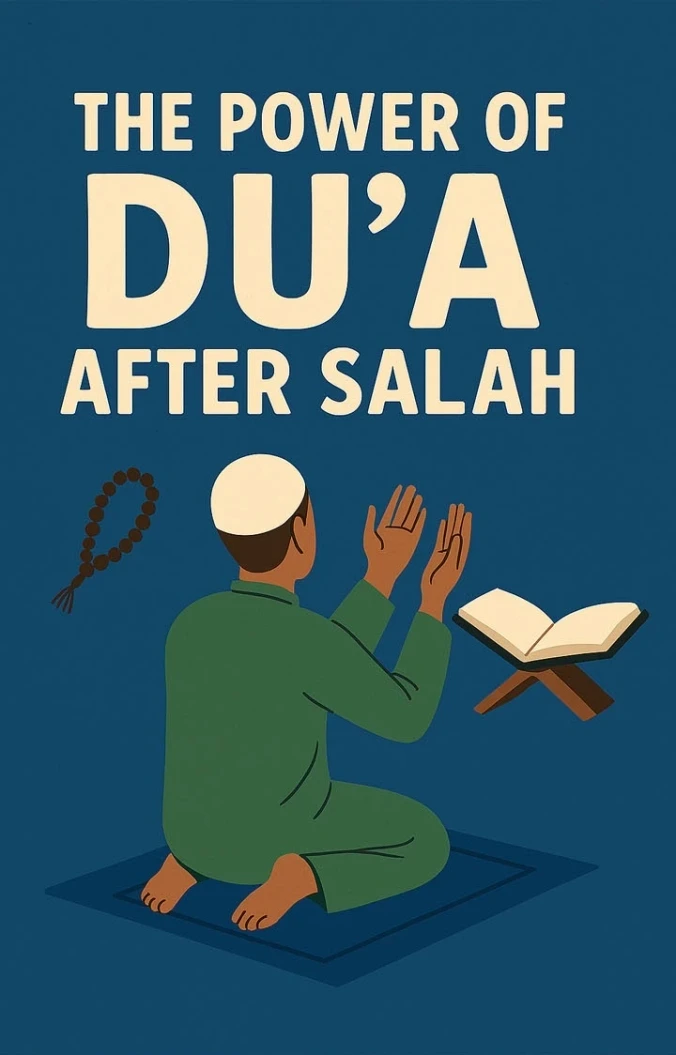
The Prophet Muhammad ﷺ would often remain seated after prayer, engaging in dhikr (remembrance) and du’a (supplication). He taught specific adhkar for after salah, but also encouraged personal supplication in any language, from the heart — this wasn’t limited to formal, memorized phrases alone.
“No Muslim supplicates to Allah with a du’a that does not involve sin or severing family ties, but Allah will give him one of three things: either He will hasten the response, or store it for him in the Hereafter, or divert an equivalent evil away from him.”
— Musnad Ahmad
This hadith is worth sitting with on its own: it doesn’t say some duas go unanswered. It says every sincere du’a receives one of three outcomes, all of them good — an immediate answer, a stored reward, or protection from something worse. There’s no fourth, disappointing option described here.
3. A Time of Divine Response
After salah, the believer has just completed one of the greatest acts of obedience. This act positions us in a state of nearness, with Allah’s mercy close. It is a moment when du’a is more likely to be accepted, especially when made with sincerity and trust rather than as a rushed formality before standing up.
What to Ask For
- Guidance and steadfastness in faith — asking not just to believe, but to remain firm through the moments that test that belief.
- Forgiveness for past mistakes, named specifically rather than left as a vague, general request.
- Blessings in health, family, and livelihood — the ordinary, practical concerns of daily life are entirely appropriate here, not just lofty spiritual requests.
- The ability to continue praying and worshiping with focus, since consistency in worship is itself something worth asking Allah to help sustain.
- Protection from hardship, trials, and Shaytan.
- Jannah and the company of the Prophet ﷺ — the largest request of all, fittingly made in one of the moments closest to Allah.
If you want structured duas to draw from rather than relying only on your own words, our Ramadan Duas collection is a useful starting point, and if you’re working on making this pause after every prayer a consistent habit rather than an occasional one, our Prayer Tracker can help you stay accountable to it. This pause is also a natural moment to practice making dua for someone else without their knowledge — a Sunnah with its own distinct reward.
Final Thought
Don’t let the beauty of salah end with as-salaamu ‘alaykum. Stay seated a moment longer. Whisper your du’as. Praise Allah. Send salawat upon the Prophet ﷺ. This moment — small in time — can be vast in reward.
“Your Lord has said, ‘Call upon Me and I will respond to you.'” — Surah Ghafir 40:60