He Who Doesn’t Thank People, Doesn’t Thank Allah
“He who does not thank people, does not thank Allah.”
– Prophet Muhammad ﷺ (Sunan At-Tirmidhi 1954)
Gratitude — A Reflection of Faith
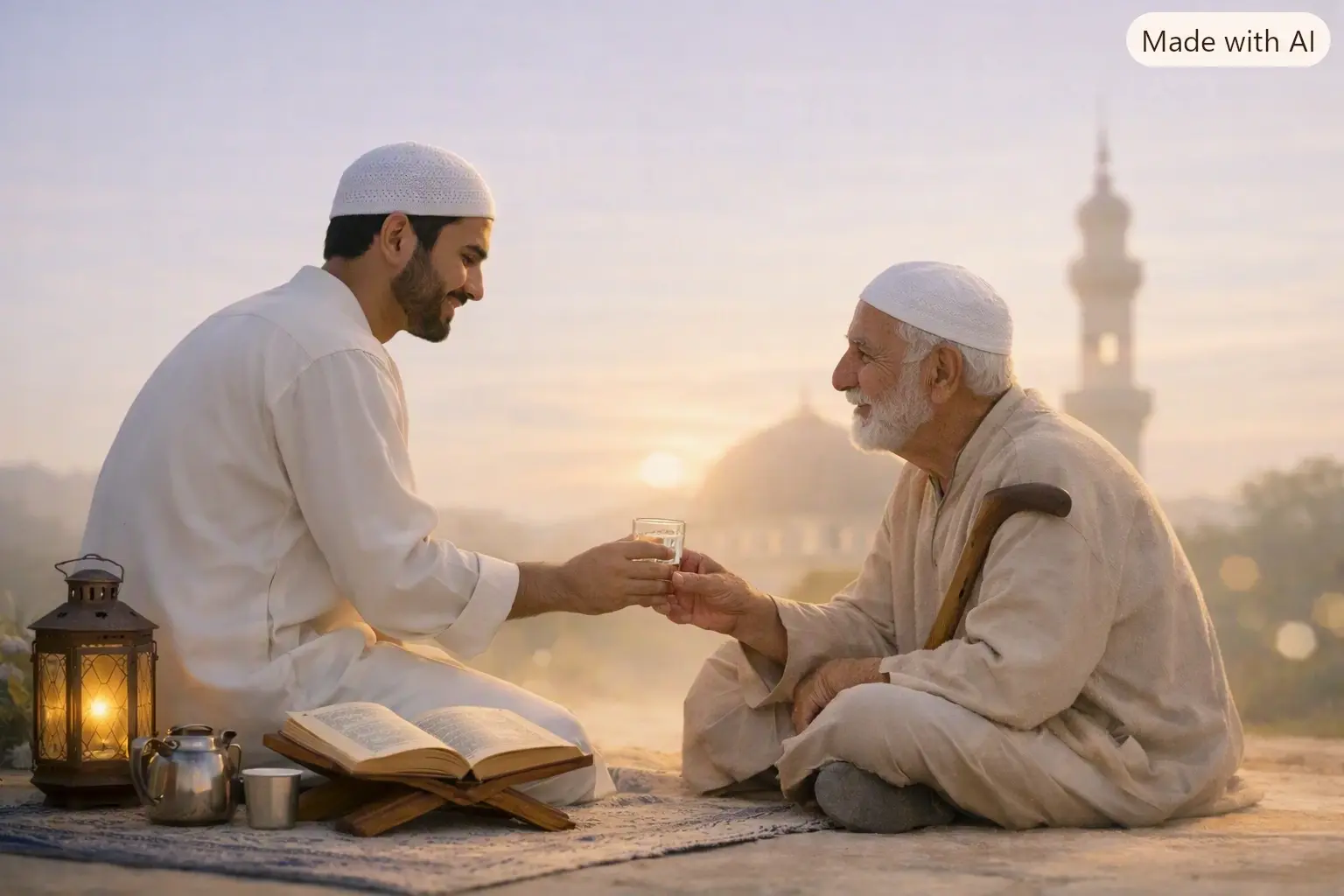
Gratitude in Islam isn’t limited to words of praise to Allah; it extends to how we treat people. When we thank others sincerely, we acknowledge that Allah used them as a means of goodness in our lives. Every act of kindness we receive is a gift from Him — and thanking people is part of thanking the Giver.
Why Thanking People Matters
Thanking others is not just politeness — it’s worship. It builds humility, strengthens relationships, and spreads positivity. When you appreciate someone’s help, you’re recognizing Allah’s mercy through them. Examples of gratitude in daily life include:
- Thanking family — for their patience and support.
- Appreciating coworkers — for teamwork and effort.
- Acknowledging teachers — for sharing knowledge.
- Expressing kindness to strangers — even a smile counts.
The Spiritual Connection
When we fail to thank people, we overlook Allah’s blessings. Gratitude is a chain — it begins with people and ends with Allah. The Prophet ﷺ taught that recognizing human kindness is part of recognizing divine mercy. “Whoever is not grateful to people, is not grateful to Allah.” — Prophet Muhammad ﷺ
Practical Sunnah Habit
Try this daily gratitude habit inspired by this hadith:
- Each evening, recall one person who helped you today.
- Thank them — with a message, a smile, or a dua.
- Then thank Allah for sending them your way.
You can track this habit using the Good Deeds Tracker.
Reflection: Gratitude transforms hearts. It turns ordinary interactions into worship. When you thank people, you’re not just being kind — you’re fulfilling a command of faith.