Powerful Ways to Value the Precious Blessings
Hadith (Sahih al-Bukhari, 6412):
The Prophet Muhammad (ﷺ) said: “There are two blessings which many people waste: health and free time.”
Why the Prophet ﷺ Named These Two, Specifically
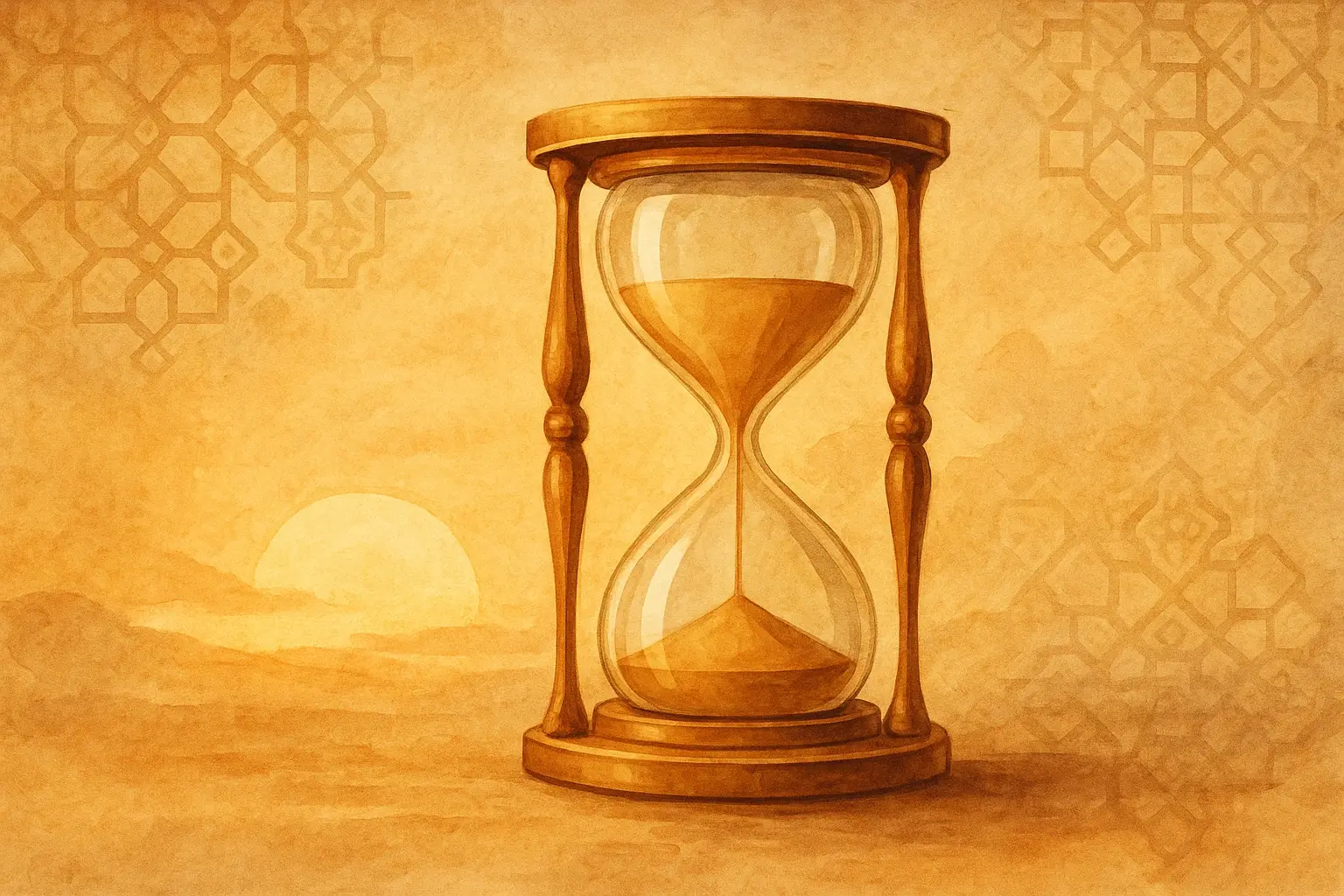
Of everything a person could take for granted — wealth, family, safety, opportunity — this hadith singles out health and free time. That’s not incidental. Both share a quality that makes them uniquely easy to waste: neither announces its own value while you still have it. You don’t feel the worth of good health until illness limits you, and you don’t feel the worth of an open afternoon until it’s gone and something urgent has taken its place. Wealth, by contrast, has a number attached to it — you can watch it grow or shrink. Health and time have no ticker. They just quietly run, and most people only notice the balance once it’s low.
Health: The Blessing We Notice Only in Its Absence
There’s a particular irony in how health works: it’s most valuable exactly when you’re not thinking about it. A day without pain, without fatigue, without a body that gets in the way of what you meant to do — that’s the default most people live in, and precisely because it’s the default, it rarely gets acknowledged as a blessing. The Prophet ﷺ isn’t warning against illness here; illness will come to everyone eventually regardless of what they do. He’s warning against the specific waste of good days spent as if they were owed to you rather than given to you.
Free Time: A Wealth We Spend Without Counting
Money gets budgeted. Time, for most people, doesn’t — it just gets absorbed, an hour at a time, into whatever is easiest or loudest in the moment. That’s what makes free time genuinely dangerous to waste: unlike a bad financial decision, there’s no receipt, no statement at the end of the month showing where it went. It simply passes. This hadith frames free time as an asset exactly like wealth — something that can be invested, spent well, or lost to nothing at all — and asks the listener to treat it with the same deliberateness most people reserve for money.
The Prophet ﷺ teaches us that true wisdom lies in valuing these blessings before they are gone. Health gives us the energy to worship, serve others, and work toward our goals. Time gives us the opportunity to seek knowledge, strengthen faith, and prepare for the Hereafter.
A Practical Reminder
Use your health before illness limits it, and your free time before life’s demands consume it. A few concrete ways to put this into practice:
- Give unstructured time a purpose before it disappears. An open evening filled with intention — reading, learning, connecting with family — is worth more than the same evening lost to passive scrolling.
- Treat consistency as more valuable than intensity. A short daily habit protected over months outlasts an ambitious plan abandoned after a week — our Islamic Time Management guide covers practical ways to structure your day around this idea.
- Use good health actively, not just gratefully. Gratitude for
- is worship, but so is using that
- — showing up for prayer on time, serving others, doing the physical work that a harder season of life might not allow.
- Build small remembrance into time you already have. A commute, a wait, a quiet ten minutes — these are the free time this hadith is really about, more than large blocks of leisure.
Reflection
Even small, consistent actions can turn ordinary time into a source of lasting reward. The two blessings in this hadith aren’t rare or dramatic — nearly everyone has some measure of both, most days. What the Prophet ﷺ is asking for isn’t more health or more time, but attention: noticing what’s already been given before it becomes what was lost.Source: Sahih al-Bukhari (Hadith 6412)